Why is stroke risk reduction important after a recent stroke?
The risk of secondary stroke is highest in the days and weeks immediately after a stroke and remains higher for years after. Staying informed, making a risk reduction plan with your doctor, and sticking to the plan consistently are all good ways to reduce your risk.
Taking SUNHARBO®
If your doctor has prescribed SUNHARBO, take it exactly as prescribed.

SUNHARBO comes in one dose, 50 mg.

SUNHARBO is taken by mouth, with or without food.

If you are unable to swallow the whole tablet, talk to your doctor about other ways to take SUNHARBO.
You’ll take SUNHARBO along with antiplatelet medicine.
Continue taking SUNHARBO and all your medications exactly as your doctor recommends.
If you miss a dose of SUNHARBO
You should take it as soon as possible on the same day. If the missed dose cannot be taken within the same day, you should skip the missed dose and resume with the next scheduled dose at the regular time.
If prescribed medicine, take it exactly as your doctor tells you to take it.
Choose something you do every day as a reminder to take it.
Reducing your risk of stroke will also likely mean changes to your lifestyle
Your commitment and dedication, the lifestyle changes you make, remembering to take your medicine daily, and staying consistent—it all matters.
It won’t always be easy, but the changes you commit to after a stroke can make a difference. The American Heart Association recommends 8 key things you can focus on:
- Healthy diet
- Physical activity
- Healthy weight
- Healthy sleep
- Avoidance of tobacco products
- Healthy levels of blood lipids
- Healthy levels of blood glucose
- Healthy blood pressure ranges
Changes like these can be a lot for anyone to take on, let alone while you’re recovering from the effects of a stroke. Take it one day at a time, do what you can, and remember your healthcare team and care partner are there to help you.
Stroke is different for everyone
The impact that stroke or high-risk mini stroke has on you may not be the same as someone else's. You may experience physical limitations, or your mindset may be different after a stroke. What’s important to remember is everyone’s experience is different, and with the help of your care team, you’ll get on a path to move forward. It’s a new way forward, but it’s one you won’t have to figure out alone.

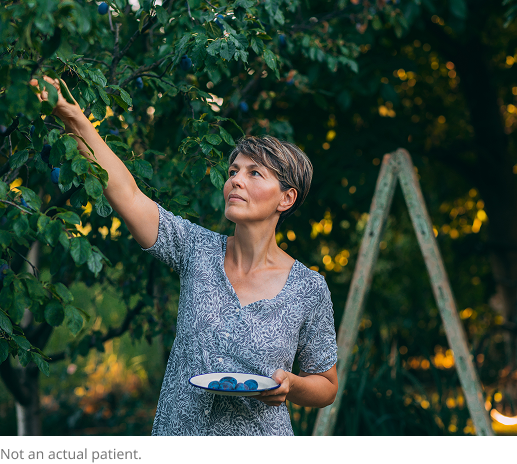
Not an actual patient.
Questions to ask your doctor
Make the most of your follow-up appointments by coming prepared with questions about your risk reduction plan.
Frequently asked questions
Get answers for the most commonly asked questions about stroke risk and SUNHARBO.
Recovery from stroke is different for everyone and may take some time. Any physical limitations your loved one has may require physical or occupational therapy. But one important thing you can do to help them recover is to help them keep their follow-up appointments with their doctor and take medication as prescribed.
Recovery from stroke is different for everyone and may take some time. Any physical limitations your loved one has may require physical or occupational therapy. But one important thing you can do to help them recover is to help them keep their follow-up appointments with their doctor and take medication as prescribed.
Someone who's had a stroke will always be at risk for another, but the risk of another stroke is highest in the days and weeks immediately after a stroke. Sticking to the plan outlined by the doctor can help reduce the risk as they move forward.
Unfortunately, the risk of stroke never goes away after you’ve had one. Approximately 1 in 5 stroke survivors will have another stroke within 5 years, and 1 in 10 will have another in the first 12 months. But, by taking SUNHARBO with your antiplatelet medication and making the lifestyle changes your doctor recommends, you may be able to reduce your risk.
Don’t underestimate the power of having someone in your corner. A family member or friend can help you follow your doctor's orders and recommendations, such as remembering to take your medication. They can offer support and encouragement, or just listen to the fears and concerns you have. If your doctor allows, consider taking a family member to your first follow-up appointment. They may hear and remember things you did not and can write them down for you to look over later.
Following your doctor's lifestyle and health-related recommendations after a stroke can make a difference. The American Heart Association recommends 8 key things that are important: healthy diet, physical activity, healthy weight, healthy sleep, avoiding tobacco products, healthy blood pressure ranges, and healthy levels of blood lipids and blood glucose. If you need help, talk to your healthcare provider.